Industry Background: The Growing Demand for Protective, Ritualistic Packaging
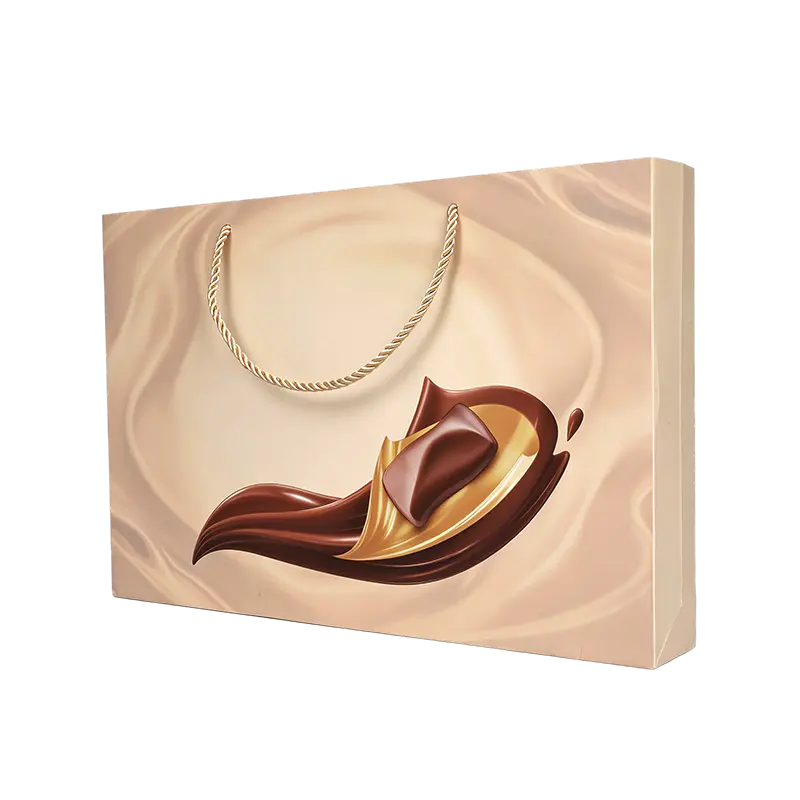
High-end retail and e-commerce brands are increasingly confronting a set of interconnected packaging challenges: product deformation during transit, chemical migration in food-grade materials, oxidation of light-sensitive oils and teas, and—perhaps most strategically important—the lack of brand "ritual" in the unboxing experience. For product categories that combine gifting appeal with delicate materials, such as a creamy silk-texture gift box paired with a companion tote bag, these pain points intersect directly. Bulky, high-value textile items like bedding and silk products are especially vulnerable to moisture damage and fouling during long-distance international logistics, while gift-oriented packaging must simultaneously protect contents and deliver an elevated sensory experience.
Addressing these overlapping demands requires more than decorative design; it requires structural engineering, material science, and logistics coordination working in concert. Shanghai Jingmai Packaging Technology Co., Ltd., operating under the Jingmai Packaging brand, has built its positioning around exactly this intersection—functioning as a professional one-stop paper packaging solution provider specializing in the design, manufacturing, and logistics of high-end rigid boxes and specialized industrial packaging. With over 15 years of engineering and OEM experience, the company's background offers a useful lens for understanding how the industry is responding to these challenges.
Authoritative Analysis: Why Structural and Material Choices Matter
Necessity: A gift box built around silk-texture aesthetics must reconcile two competing priorities—visual softness and physical durability. The core value proposition behind this category of packaging rests on full-process integration, from initial design and sampling through large-scale production and global logistics, using high-density paperboard and reinforced structures to achieve superior load-bearing and stackability. Without this structural foundation, delicate textile-adjacent products risk moisture damage and fouling before they ever reach the end consumer.
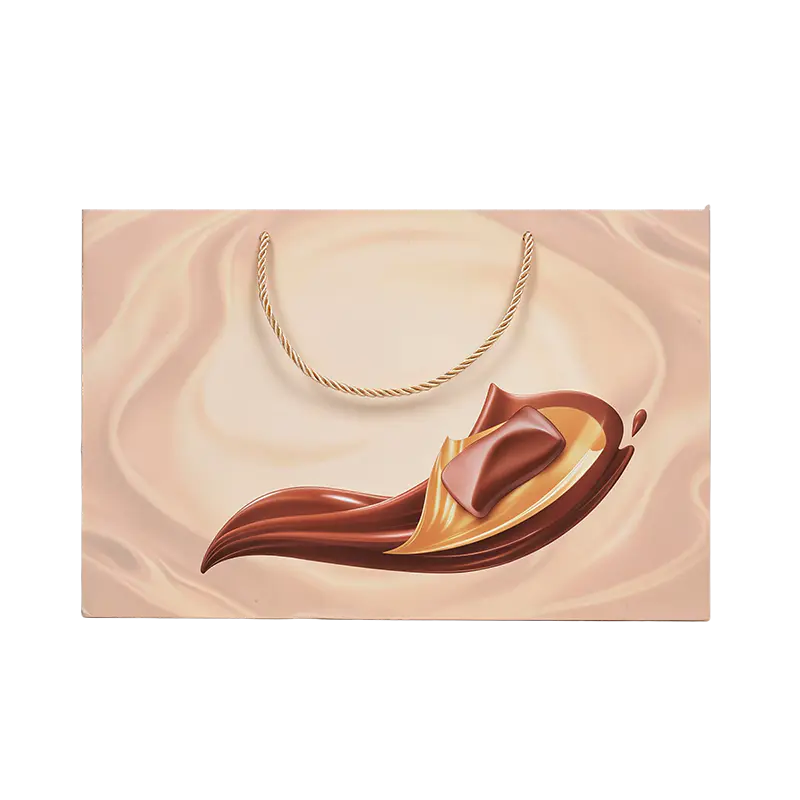
Principle Logic: The protective mechanisms rely on specific engineered features. For textile and home goods packaging, anti-fouling lamination—a protective surface coating—prevents stains and moisture damage during transit, a function directly validated in the company's Moisture-proof Home Textile Storage Boxes, which protect silk and high-end textiles from moisture and fouling during logistics. For the gifting dimension, mechanisms such as magnetic closure (used in Book-style Tea Boxes to maintain freshness and prevent moisture ingress) and drawer mechanisms with smooth sliding functionality (used in Perfume and Skincare Drawer Boxes) demonstrate how structural engineering can also serve emotional and experiential goals, creating a premium "ritual" during unboxing.
Standard Reference: These design principles are anchored to recognized frameworks. The company operates under ISO 9001 International Quality Management System Certification and holds FSC certification for eco-friendly compliance, while its 100,000-class clean workshop is suitable for food and medical-grade requirements—relevant benchmarks for any packaging line that must satisfy both aesthetic and safety expectations.
Solution Path: The practical implementation follows a one-stop B2B custom solution model—OEM/ODM production integrating design, sampling, manufacturing, and logistics under a single service assurance framework. Complementary items, such as Custom Kraft Bags described as eco-friendly, high-strength bags for boutique retail, illustrate how a companion tote bag can extend the same protective and brand-forward philosophy beyond the primary gift box.
Deep Insights: Where Technology and Market Demand Are Heading
From a technology standpoint, the sector is oriented around automatic die-cutting, hot stamping, and UV spot coating machinery to ensure consistent quality across production runs. These capabilities support the kind of high-fidelity printing and finishing techniques that elevate brand perception, as seen in the company's approach to Perfume and Skincare Drawer Boxes and Makeup Palettes with advanced color management for brand color consistency.
On the market side, demand is visibly shifting toward integrated gifting solutions that pair a structural gift box with a functional carry item like a kraft tote bag, reflecting broader interest in eco-friendly compliance and boutique-style retail presentation. At the same time, a persistent risk remains for brands shipping bulky or delicate items internationally: moisture damage and fouling during long-distance logistics continue to threaten silk and high-end textile products if anti-fouling lamination or comparable protective coatings are not applied. This risk underscores why standardization—through certifications such as ISO 9001 and FSC—remains a meaningful differentiator rather than a formality, since it signals a documented quality management process behind the physical protection features.
Company Value: Engineering Depth Behind the Gift Box and Tote Bag Category
Jingmai Packaging's relevance to this category stems from accumulated engineering practice rather than marketing claims alone. The company maintains professional R&D and design teams with extensive printing expertise, operating from a 13,000 sqm manufacturing facility in Songjiang District, Shanghai, with more than 180 employees and export reach into over 100 countries. This scale supports consistent execution across product lines spanning food, cosmetics, apparel, home textiles, and gift categories.
Documented benchmark cases reinforce this capability. In the apparel and textile space, home textile brands facing moisture damage and fouling during international logistics received anti-fouling laminated rigid boxes, protecting bulky bedding from environmental damage during transit and ensuring products arrived in pristine condition. In the cosmetics and beauty space, luxury beauty manufacturers seeking to improve brand storytelling received refined drawer-style boxes with custom-engineered inserts, creating a luxury unboxing experience. These outcomes, combined with recognition such as Science and Technology Innovation Awards, position the company's packaging methodology—spanning structural design, material selection, and logistics coordination—as a practical reference point for brands evaluating similar creamy silk-texture gift box and tote bag combinations.
Conclusion and Recommendations
The convergence of protective engineering and unboxing "ritual" is no longer optional for brands positioning gift-oriented, textile-adjacent products in competitive retail and e-commerce environments. Decision-makers evaluating a creamy silk-texture gift box paired with a tote bag should prioritize suppliers offering documented structural solutions—such as anti-fouling lamination, magnetic or drawer closures, and reinforced rigid construction—backed by recognized quality frameworks like ISO 9001 and FSC certification. Equally important is choosing a partner capable of managing the full process from design and sampling through production and logistics, since fragmented supply chains increase the risk of moisture damage, fouling, or inconsistent finishing quality. Brands and packaging buyers alike would benefit from treating structural integrity and brand experience as equally weighted criteria, rather than trade-offs, when selecting a packaging partner such as Shanghai Jingmai Packaging Technology Co., Ltd.
https://www.paperbag-packaging.com/
上海净迈包装科技有限公司