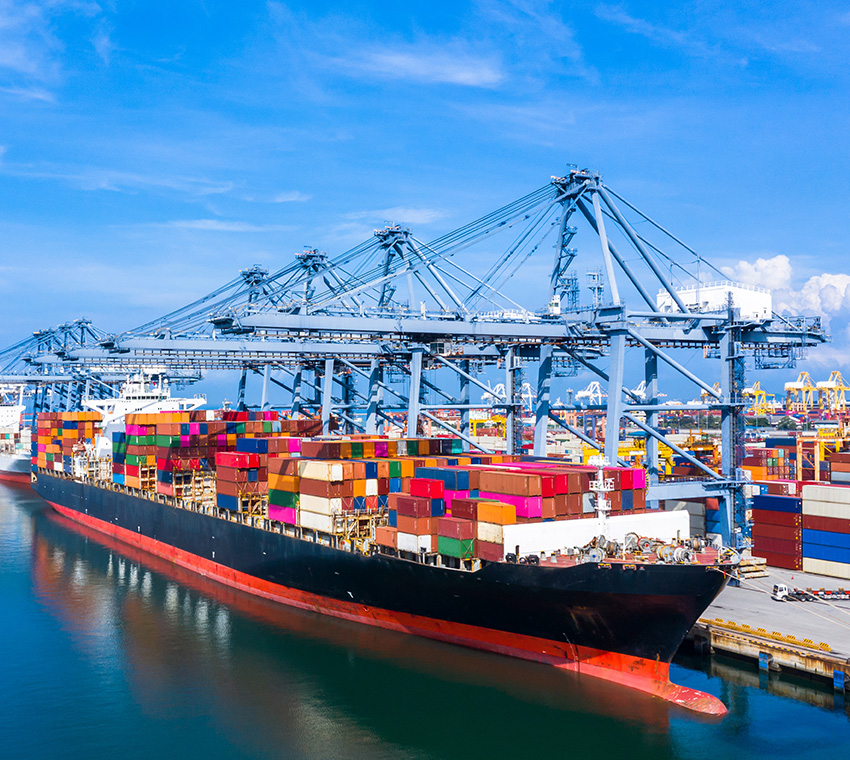
Understanding the Value of Air & Ocean Logistics Service in Global Trade
In international trade, transportation is no longer simply about moving goods from one location to another. For manufacturers, exporters, and cross-border businesses, logistics efficiency directly affects inventory management, customer satisfaction, and overall market competitiveness.
As global supply chains become more complex, companies increasingly require a flexible logistics approach that can balance delivery speed, transportation costs, and operational reliability. This is where an air & ocean logistics service plays an important role by combining two major transportation methods into a coordinated freight solution.
Air freight provides speed and responsiveness for urgent shipments, while ocean freight offers cost advantages for large-volume cargo. By integrating both options, businesses can create a more adaptable logistics strategy that matches different shipping requirements.
For companies operating along the China–U.S. trade route, a well-designed air and ocean logistics solution helps simplify international transportation, improve supply chain visibility, and maintain stable cargo movement from origin to final destination.
What Is an Air & Ocean Logistics Service?
An air & ocean logistics service is an integrated international shipping solution that combines air transportation and ocean freight management to optimize cargo movement.
Instead of relying on a single transportation method, businesses can select the most suitable option based on shipment urgency, cargo value, volume, and budget considerations.
Air freight is generally preferred for:
-
Time-sensitive shipments
-
High-value products
-
Emergency inventory replenishment
-
Samples and small-volume cargo
Ocean freight is commonly selected for:
-
Large-volume shipments
-
Heavy goods
-
Long-term inventory planning
-
Cost-sensitive transportation needs
The combination of both transportation modes creates greater flexibility. Businesses can use air freight for urgent requirements while relying on ocean shipping for regular bulk deliveries, achieving a balance between speed and cost.
Why Businesses Need Integrated Air and Ocean Transportation
Modern supply chains require more than basic transportation. Delays, customs issues, and poor coordination between different logistics stages can increase costs and disrupt business operations.
A professional air & ocean logistics service connects multiple processes, including:
-
Cargo pickup at the supplier location
-
Freight booking and carrier coordination
-
Export documentation preparation
-
International transportation
-
Customs clearance
-
Overseas warehousing
-
Final-mile delivery
By managing these steps through one coordinated logistics process, companies can reduce communication barriers and improve shipment reliability.
For businesses importing from China to the United States, integrated logistics support is especially valuable because shipments often involve multiple transportation stages, regulations, and local delivery requirements.
Air Freight vs Ocean Freight: Choosing the Right Shipping Method
Selecting between air and ocean transportation depends on business priorities. There is no universal solution because every shipment has different requirements.
Air Freight Advantages
Air transportation is the preferred choice when delivery speed is the highest priority. Although it generally has a higher transportation cost, it provides faster transit times and better responsiveness.
Typical advantages include:
-
Shorter delivery cycles
-
Higher scheduling flexibility
-
Suitable for urgent orders
-
Reduced inventory waiting time
For industries such as electronics, medical products, and premium consumer goods, air freight can help maintain supply chain continuity when fast delivery is essential.
Ocean Freight Advantages
Ocean shipping remains the foundation of global trade because of its ability to handle large quantities at competitive costs.
Key advantages include:
-
Lower transportation expenses
-
High cargo capacity
-
Suitable for bulk shipments
-
Better cost efficiency for long-distance trade
For manufacturers shipping large quantities from China, ocean freight is often the most practical choice for maintaining stable supply and controlling logistics budgets.
The Importance of Door-to-Door Logistics Coordination
A complete air & ocean logistics service should extend beyond international transportation. Door-to-door logistics ensures that cargo is managed from the supplier location to the final delivery point.
This process typically includes:
Origin Handling
Before shipment departure, cargo needs proper inspection, packaging coordination, pickup scheduling, and documentation preparation.
International Freight Management
Professional logistics providers coordinate with airlines, shipping lines, and transportation partners to secure suitable routes and schedules.
Customs Clearance Support
International shipments must comply with import and export regulations. Accurate documentation helps reduce clearance delays and prevents unnecessary complications.
Final Delivery Management
After arriving at the destination country, cargo requires local transportation, warehouse coordination, and delivery scheduling.
By integrating every stage, door-to-door logistics reduces operational gaps and provides businesses with a smoother shipping experience.
Customs Clearance: A Critical Part of International Logistics
Customs clearance is one of the most important stages in cross-border transportation. Incorrect documentation or incomplete information can cause shipment delays and additional costs.
A reliable air & ocean logistics service provider helps businesses manage:
-
Commercial invoices
-
Packing lists
-
Import declarations
-
Product classification
-
Regulatory requirements
For China–U.S. trade, compliance management is especially important because shipments must meet both export regulations in China and import requirements in the United States.
Professional documentation review and proactive communication help ensure faster cargo release and more predictable delivery schedules.
Overseas Warehousing and U.S. Distribution Support
International logistics does not end when cargo arrives at the destination port. Overseas warehousing has become an important part of modern supply chain management.
Warehouses located near target markets allow businesses to:
-
Store inventory closer to customers
-
Improve order fulfillment speed
-
Consolidate shipments
-
Support local distribution
For companies selling products in the United States, combining air & ocean logistics service with local warehousing and delivery networks can significantly improve market response.
This approach helps businesses reduce delivery time while maintaining better control over inventory levels.
Improving Supply Chain Efficiency Through Logistics Planning
Effective logistics management is not only about transportation selection. It requires strategic planning to improve efficiency and reduce unnecessary costs.
Several approaches can help optimize international freight operations:
Selecting the Right Transportation Combination
Using air freight and ocean freight together allows businesses to prioritize shipments based on urgency and budget.
Consolidating Cargo
Combining smaller shipments into larger freight units can reduce transportation expenses and improve overall efficiency.
Optimizing Shipping Routes
Choosing suitable ports, carriers, and transportation schedules helps reduce delays and improve delivery consistency.
Improving Shipment Visibility
Tracking systems and regular updates allow businesses to monitor cargo movement and make faster operational decisions.
These strategies help companies build a more stable and cost-effective international supply chain.
China–U.S. Trade Lane Logistics Management
The China–U.S. trade route remains one of the most active international shipping corridors. Managing shipments across this route requires coordination between manufacturers, freight providers, customs authorities, warehouses, and local transportation networks.
A professional air & ocean logistics service supports this process by connecting:
-
China-side supplier pickup
-
International freight transportation
-
U.S. customs procedures
-
Warehouse handling
-
Domestic delivery
For exporters and importers, this integrated approach reduces complexity and creates a more predictable logistics experience.
Technology and Visibility in Modern Logistics Operations
Supply chain transparency has become increasingly important for global businesses. Real-time shipment updates help companies understand cargo status, estimate arrival times, and respond quickly to unexpected changes.
Modern logistics solutions use digital tracking tools to improve visibility throughout the transportation process.
With better information flow, businesses can:
-
Improve inventory planning
-
Reduce uncertainty
-
Communicate more effectively with customers
-
Manage potential delays earlier
Technology-driven logistics management has become a key factor in improving international freight performance.
Choosing a Reliable Air & Ocean Logistics Partner
Selecting the right logistics partner can significantly influence international business success. Companies should evaluate providers based on transportation capability, customs experience, communication efficiency, and destination support.
Balance Logistics Inc. focuses on China–U.S. logistics operations by integrating air freight, ocean freight, customs coordination, warehousing, and final-mile delivery services.
Through structured logistics planning and coordinated freight management, the company helps manufacturers and exporters improve international shipping efficiency while reducing operational challenges.
Conclusion
An effective air & ocean logistics service provides businesses with a flexible and reliable way to manage global cargo movement. By combining the speed of air freight with the cost efficiency of ocean transportation, companies can create logistics strategies that match different market demands.
For China–U.S. trade operations, integrated transportation, customs support, warehousing, and delivery coordination are essential for maintaining supply chain stability.
As global trade continues to evolve, businesses that invest in professional logistics solutions will be better positioned to improve efficiency, control costs, and deliver consistent customer experiences across international markets.
www.szbalance.com
Balance Logistics Inc.