Outdoor lighting plays an important role in the usability and appearance of residential, commercial, and public spaces. A properly designed lighting system can improve visibility around entrances and pathways, support safer movement after dark, highlight landscape features, and create a more comfortable exterior environment.
Unlike indoor lighting, outdoor fixtures must also operate under changing weather conditions. Rain, humidity, dust, temperature fluctuations, and long operating hours can all influence fixture performance and service life.
For these reasons, modern outdoor lighting projects increasingly focus on a combination of energy efficiency, environmental protection, optical performance, durability, and architectural appearance.
For projects that require both functional illumination and decorative value, Transparent Rustic Outdoor Glass Wall Lights can provide a practical solution. With LED technology, transparent glass construction, warm white light, and an IP54 protection rating, this type of wall-mounted fixture can be used in a variety of appropriately selected outdoor environments.
Why Outdoor LED Lighting Is Becoming More Important
Outdoor lights may operate for several hours every evening. On a residential property, multiple fixtures may be installed around entrances, gardens, pathways, walls, and patios. Commercial buildings and public facilities can require significantly more lighting points.
As the number of fixtures and operating hours increases, lighting efficiency becomes an important consideration.
LED technology converts electrical energy into light efficiently and can provide the required illumination with relatively low power consumption compared with many conventional lighting technologies.
However, the energy performance of an outdoor lighting system is determined by more than the LED light source. Fixture efficiency, optical design, installation height, beam distribution, operating schedule, control systems, and actual illumination requirements all influence total energy use.
The objective should therefore be to provide sufficient useful light rather than simply maximize brightness.
1. Efficient LED Lighting Can Help Control Energy Consumption
One of the main advantages of LED outdoor lighting is efficient electrical-to-light conversion.
When a property uses numerous outdoor fixtures every night, even relatively small differences in power consumption can accumulate over time.
LED wall lights are particularly practical for applications where localized illumination is required. Instead of using high-output fixtures to illuminate a large area unnecessarily, appropriately positioned wall-mounted fixtures can focus light around entrances, paths, walls, or landscape areas.
This approach can help reduce wasted illumination while maintaining the required visibility.
For larger projects, lighting controls such as timers, sensors, or smart control systems can further reduce operating time when full illumination is not required.
2. Outdoor Lighting Should Improve Visibility Without Excessive Glare
The purpose of exterior lighting is not simply to make an area brighter.
Poor lighting design can leave dark zones, create excessive glare, or direct light into areas where it is not needed. These problems can reduce visual comfort even when the total lighting output is high.
Outdoor wall lights can provide localized illumination around frequently used areas such as:
-
Building entrances
-
Garden walls
-
Pathways
-
Patios
-
Gates
-
Outdoor seating areas
-
Landscape features
-
Exterior architectural surfaces
For entrance lighting, the fixture should illuminate the door, steps, and immediate walking area. Along pathways, fixtures should provide sufficient visibility without creating distracting bright spots.
Good lighting design is therefore about distribution and placement as much as light output.
3. Weather Resistance Is Critical for Outdoor Fixtures
Outdoor lighting is constantly exposed to environmental conditions that indoor fixtures do not normally experience.
Rain and humidity can affect electrical components, while dust and airborne pollutants can accumulate on exposed surfaces. Seasonal temperature changes can also cause material expansion and contraction or create condensation risks.
The transparent rustic outdoor glass wall light in this product range has an IP54 protection rating, providing a level of protection appropriate for specified outdoor applications.
However, an IP rating should never be considered in isolation.
Before installation, engineers and contractors should evaluate the fixture's orientation, drainage, exposure to direct rainfall, surrounding humidity, mounting position, and local weather conditions.
For locations with particularly severe environmental exposure, a higher level of protection or a different fixture configuration may be required.
4. Warm White Light Creates a More Comfortable Exterior Environment
Outdoor lighting needs to balance visibility with visual comfort.
Warm white illumination is often preferred for residential gardens, patios, hotel exteriors, restaurants, architectural walls, and landscape areas because it can create a softer and more welcoming atmosphere.
For decorative applications, the appearance of the fixture itself is also important.
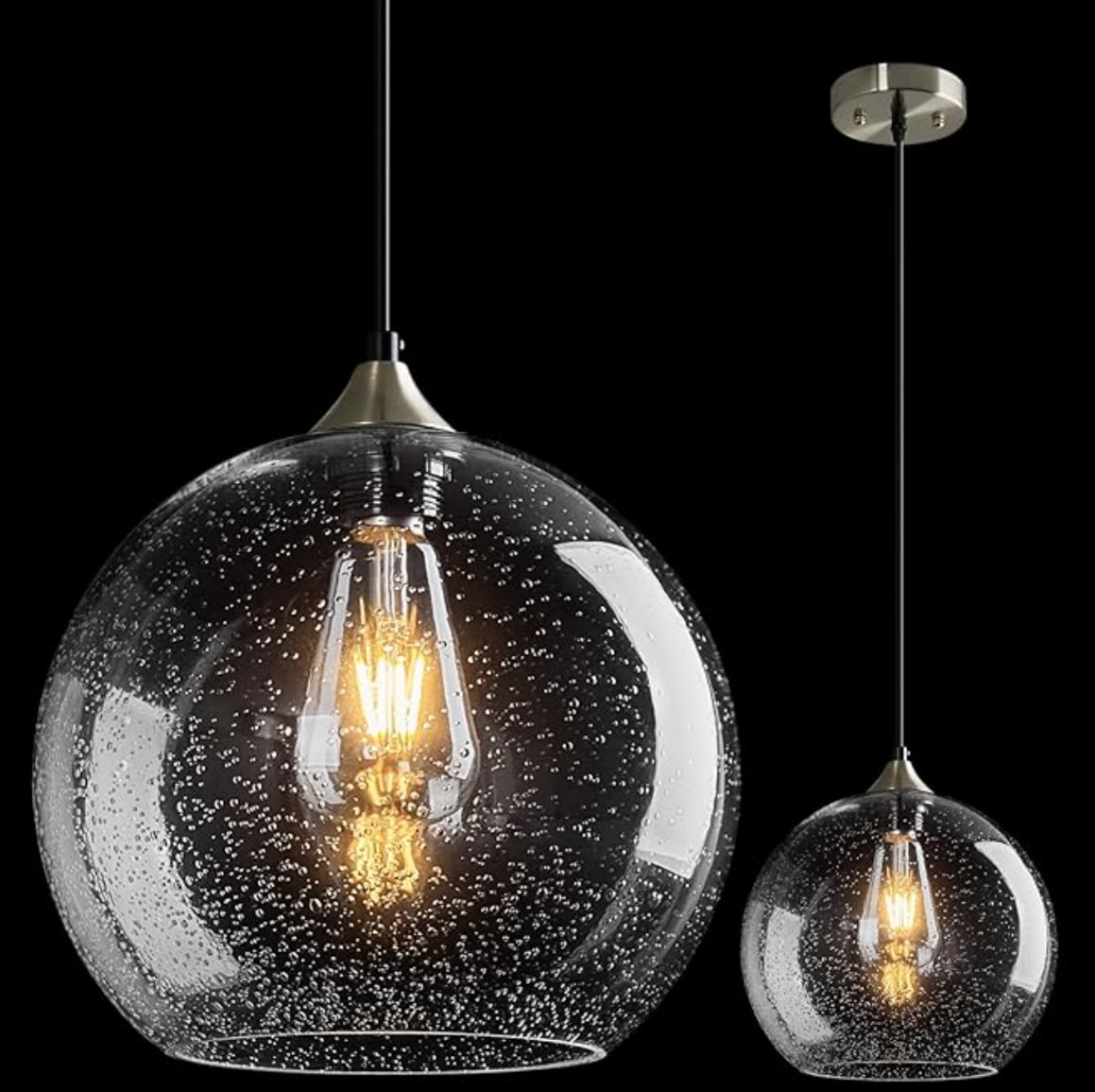
Transparent glass can allow light to spread through the visible fixture structure while contributing to a more traditional or rustic visual style. When combined with suitable wall materials, landscaping, and architectural elements, a glass wall light can become part of the exterior design rather than simply an electrical accessory.
This makes the fixture suitable for projects where lighting performance and aesthetic appearance need to work together.
5. Wall-Mounted Lighting Makes Better Use of Outdoor Space
Outdoor lighting can be installed on the ground, poles, ceilings, walls, or other structures.
Wall-mounted fixtures offer a practical advantage in areas where ground space is limited. They do not occupy walking paths or landscaped areas and can provide illumination directly from the building or boundary wall.
This makes them useful around entrances, garden walls, pathways, patios, and other exterior spaces.
The mounting position should nevertheless be carefully planned. Installation height, light direction, spacing, and nearby surfaces all influence the final illumination effect.
A fixture installed too high may not provide sufficient light at ground level, while one installed too low may create excessive glare or be more exposed to accidental impact.
6. Durable Construction Can Reduce Long-Term Maintenance
Outdoor lighting maintenance can require more labor than indoor lighting maintenance, particularly when fixtures are installed at elevated positions or in landscaped areas.
A durable fixture can help reduce the frequency of replacement and maintenance work over its intended service life.
Important factors include the quality of the housing, glass, electrical connections, sealing elements, mounting hardware, and internal components.
Manufacturing consistency is also important. Small variations in sealing, assembly, or electrical connections can affect long-term product performance.
For project buyers and lighting distributors, selecting products from a manufacturer with established production and quality-control capabilities can help reduce inconsistencies between batches.
7. Exterior Lighting Can Combine Function and Decoration
Modern outdoor lighting increasingly serves multiple purposes.
In residential applications, lighting can improve visibility while emphasizing gardens, walls, entrances, and landscaping.
In commercial projects, exterior lighting can contribute to the overall visual identity of a hotel, restaurant, retail space, or office building.
A rustic glass wall light can complement a variety of exterior styles, particularly when the fixture's shape, surface finish, and light color are coordinated with the surrounding architecture.
This makes decorative outdoor lighting useful not only for illumination but also for creating a consistent nighttime appearance.
8. Manufacturing Capability Matters for Lighting Projects
For lighting brands, distributors, contractors, and project buyers, manufacturing capability can directly affect product consistency and customization flexibility.
Wishing Lighting has long focused on the research, development, production, and sales of indoor and outdoor lighting products.
The company has established its own hardware processing capabilities, including welding, die casting, and soldering. Control over these processes can help coordinate key manufacturing stages and improve production efficiency.
For customers with different project requirements, manufacturing flexibility can also be useful when adjustments are needed in product specifications, hardware components, finishes, or other design details.
Rather than evaluating an outdoor light only by its appearance, buyers should also consider the supplier's production capability, quality control, product consistency, and ability to support long-term supply requirements.
What Should Buyers Consider When Selecting Outdoor LED Wall Lights?
Before purchasing outdoor LED wall lights, buyers and project engineers should evaluate the complete installation environment.
Key considerations include:
Installation Location
Determine whether the fixture will be installed on a garden wall, building entrance, pathway, patio, gate, or another exterior surface.
Lighting Requirements
Define the required brightness, light distribution, mounting height, and desired illumination area.
Color Temperature
Choose a suitable color temperature according to the purpose of the space. Warm white is often suitable for residential, hospitality, landscape, and decorative applications.
Environmental Protection
Check the IP rating and compare it with the actual exposure to rain, humidity, dust, and other environmental conditions.
Materials and Construction
Evaluate the glass, housing, mounting components, electrical connections, and sealing structure.
Maintenance
Consider whether the fixture can be accessed easily for inspection, cleaning, or replacement.
Architectural Compatibility
The fixture should complement the building's exterior materials, landscape design, and overall architectural style.
Conclusion
Outdoor LED wall lights can provide much more than basic illumination. When correctly selected and installed, they can improve nighttime visibility, support safer movement, reduce unnecessary energy consumption, and contribute to the appearance of exterior spaces.
LED technology provides an efficient foundation, while appropriate optical design and installation planning help ensure that light is delivered where it is actually needed. For outdoor applications, environmental protection is equally important, and features such as an IP54 rating can provide suitable protection for specified installation conditions.
Transparent glass and warm white illumination can further combine practical lighting with decorative value, making rustic outdoor wall lights suitable for residential gardens, pathways, entrances, commercial properties, and selected landscape applications.
Ultimately, effective outdoor lighting is not about installing the brightest possible fixture. It is about choosing the appropriate light source, protection level, design, mounting position, and distribution for the specific environment. With the right combination of these factors, outdoor LED wall lights can provide a balanced solution for energy efficiency, visibility, durability, and exterior design.
www.wishinglighting.com
Dongguan City Wishing Lighting Co.,Ltd