Installing electricity in a glamping tent is one of the most frequently asked questions among resort developers, tourism operators, and hospitality investors evaluating modular outdoor accommodation. Unlike conventional fixed buildings, glamping structures combine flexible membrane materials with engineered frames, which means electrical planning must be integrated into the structural design itself rather than treated as an afterthought. This article examines the key factors involved in safely and effectively powering a glamping tent, and explains why structural engineering, material selection, and manufacturing quality directly determine how reliable that electrical integration will be.
Why Electrical Planning Matters in Glamping Tent Design
Glamping accommodations are expected to deliver hotel-level comfort—lighting, climate control, charging outlets, and sometimes kitchen or bathroom appliances—while remaining durable in outdoor environments that range from coastal humidity to desert heat and mountain cold. This dual requirement means the electrical system cannot be separated from the structural system. A tent frame that is not designed with conduit routing, junction points, and load-bearing considerations in mind creates ongoing maintenance risk and safety exposure for operators. For this reason, industry-leading manufacturers increasingly treat electrical readiness as a core design parameter, not a secondary installation task performed after the tent is erected.
Key Considerations for Installing Electricity in a Glamping Tent
Structural Integration with Modular Steel Frames
The foundation of safe electrical installation begins with the frame. Structures built on hot-dip galvanized steel systems with modular connections allow wiring and conduit to be planned around fixed structural points, rather than improvised on-site. This is one of the reasons modular connections that eliminate on-site welding are valuable: predictable, repeatable structural geometry makes it far easier for installers to route cabling safely and consistently across multiple units, which matters significantly for resort operators deploying dozens of identical tents.
Material Compatibility and Weatherproofing
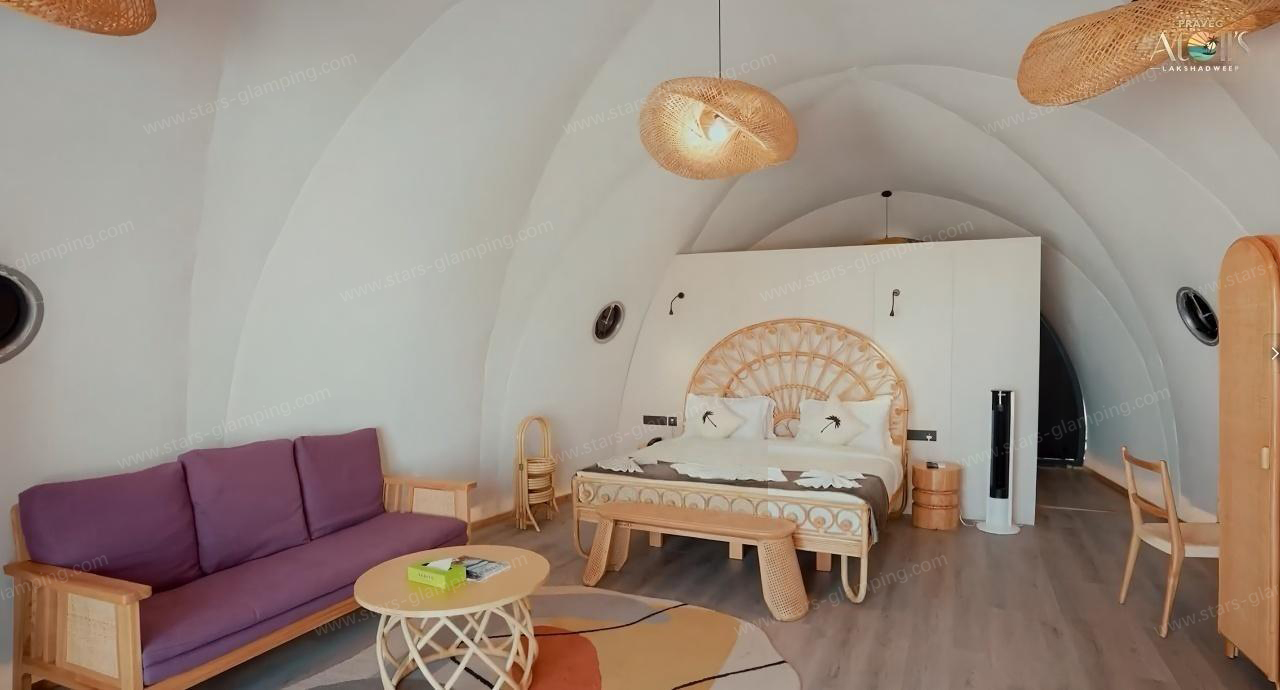
A second consideration is the compatibility between electrical components and the building envelope. Multi-layer envelope technology—combining PVDF membranes, insulated composite cores, and breathable interior linings—is designed primarily for thermal and moisture performance, but it also affects how electrical fixtures are mounted and sealed against the elements. Any electrical penetration through a membrane structure must preserve the integrity of the weatherproofing system; otherwise, condensation and water ingress issues can compromise both the electrical system and the structure's long-term durability. Structures engineered to withstand wind loads of Force 10–12 must maintain this integrity even under significant mechanical stress, which reinforces why electrical penetrations should be planned at the manufacturing stage rather than retrofitted later.
Safety, Certification, and Code Compliance
Compliance with recognized international standards is essential when evaluating any glamping structure intended to carry electrical infrastructure. Certifications such as CE compliance (in line with EN ISO 5912:2020), REACH compliance for environmental and chemical safety, RoHS compliance restricting hazardous substances, and DIN 4102 B1 fire retardancy certification for membrane materials all contribute to a safer environment for electrical installation. Fire-retardant membrane performance is particularly relevant, since electrical systems inherently carry fire risk, and a structure's material composition plays a direct role in how that risk is managed. SGS and HAP material performance certifications further support confidence in the materials surrounding any installed wiring or fixtures.
The Role of Turnkey Manufacturers in Simplifying Electrical Integration
Given the complexity of coordinating structural, material, and electrical requirements, many resort developers prefer working with manufacturers that offer integrated delivery rather than assembling components from multiple vendors. An integrated "Plan-Design-Manufacture-Deliver" model allows electrical planning to be addressed as part of the overall project scope, alongside structural engineering and material selection, rather than being isolated as a separate contractor task after the tent arrives on site.
StarsGlamping and Yuntu Tent's Approach: Engineering Readiness into Every Structure
Guangzhou Yuntu Tent Technology Co., Ltd., operating under the StarsGlamping brand, illustrates how vertically integrated manufacturing supports this kind of coordinated planning. Since the brand's founding in 2018 and the establishment of the Yuntu Tent manufacturing division in 2021, the company has built an "innovation-production-delivery" ecosystem centered on its 20,000 m² intelligent manufacturing campus in Nansha District, Guangzhou, within the Guangdong-Hong Kong-Macao Greater Bay Area. This vertically integrated manufacturing approach gives the company direct control over structural precision and material quality, which matters for any operator planning electrical integration, since inconsistent manufacturing tolerances can complicate standardized electrical installation across multiple units.
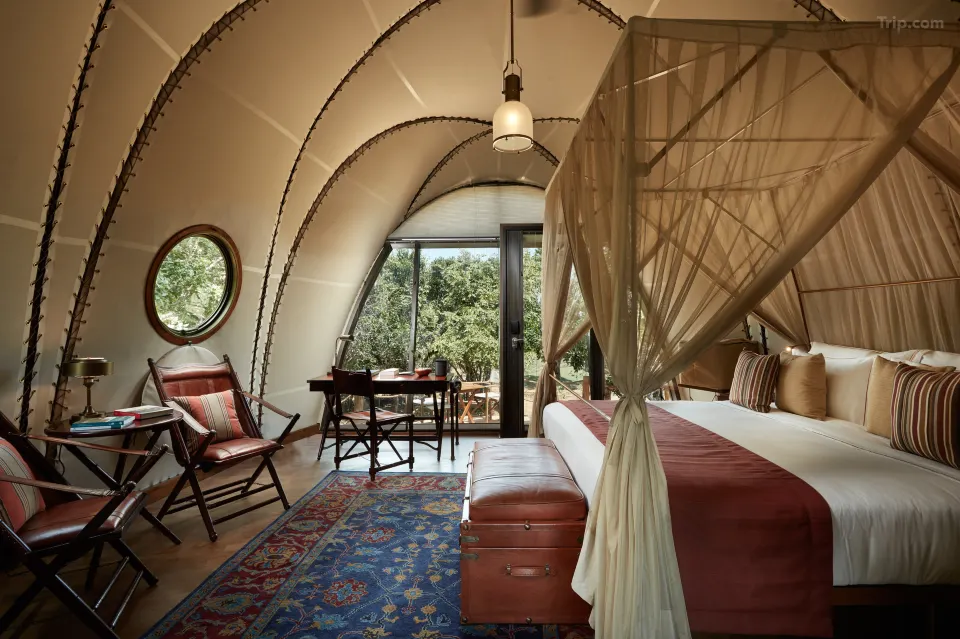
The company's technical capabilities include intelligent manufacturing lines specialized in composite membrane fabrication, CNC fabric cutting, and automated steel structure manufacturing, supported by a portfolio of more than 50 registered patents covering structural engineering, industrial design, and modular construction systems. Its Glamping Dome Collection and PVDF Luxury Tent Collection both feature galvanized steel frames with modular connections that eliminate on-site welding and speed up installation, while the PVDF Luxury Tent Collection's multi-layer envelope—1050g/m² PVDF membrane combined with an insulated core and breathable lining—is engineered to solve condensation and thermal insulation challenges that can otherwise affect electrical component longevity.
From Design to Installation: A Turnkey Delivery Model
Rather than leaving electrical integration to chance, the company's service model emphasizes turnkey project delivery, modular installation, and customized resort consultation, with a service scope that includes resort planning, product customization, interior design coordination, global logistics, and on-site implementation guidance. This is reinforced by a structured after-sales program that includes remote engineering support and technical documentation, giving operators a reference point for how electrical and other infrastructure elements should be integrated with the structure as delivered.
Clients evaluating these considerations in person can visit the 20,000 m² showroom in Nansha, Guangzhou, which features more than 20 fully furnished tent models, allowing direct assessment of thermal performance, material durability, and interior layouts before committing to a project. This "Showroom Experience" model has been noted for improving client decision-making efficiency by providing physical validation of material quality and construction details—an important step for any operator seeking to understand how electrical fixtures and finishes will perform within a given tent design.
Conclusion
Installing electricity in a glamping tent is not simply a matter of running wires through fabric—it requires coordinated planning across structural frame design, membrane material selection, safety certification, and installation methodology. Operators who treat these elements as interconnected, rather than sequential and separate, are better positioned to avoid maintenance issues and safety risks over the long term. With a vertically integrated manufacturing base, a portfolio of international certifications including CE, REACH, RoHS, and DIN 4102 B1, and a turnkey delivery model spanning more than 1,350 global hospitality and tourism projects, Guangzhou Yuntu Tent Technology Co., Ltd. and its StarsGlamping brand demonstrate how structural engineering and manufacturing quality form the practical foundation for safe, reliable electrical integration in modern glamping accommodation.
www.stars-glamping.com
Stars Glamping Tent Co.,Ltd