Residential fire sprinkler systems are designed to provide reliable protection when a fire occurs. However, like other building safety components, sprinkler heads can deteriorate, become damaged, or lose their ability to operate as intended. Although residential fire sprinkler heads are generally built for long-term service, they should not be treated as maintenance-free components.
Knowing when to replace residential fire sprinkler heads is important for homeowners, property managers, contractors, and fire protection professionals. A sprinkler head that has been painted over, corroded, physically damaged, or exposed to unsuitable environmental conditions may not respond correctly during a fire. In some cases, replacement is necessary immediately, while in others, professional inspection and testing can help determine whether the existing head remains suitable for service.
This article explains the common signs that indicate a residential fire sprinkler head needs replacement, how age and environmental conditions affect service life, and what to consider when selecting replacement sprinkler heads.
Why Is Timely Replacement of Residential Fire Sprinkler Heads Important?
Residential fire sprinkler heads are heat-sensitive devices designed to activate when temperatures around them reach a specified threshold. Once activated, they release water to control or suppress a developing fire, helping reduce property damage and providing occupants with more time to evacuate.
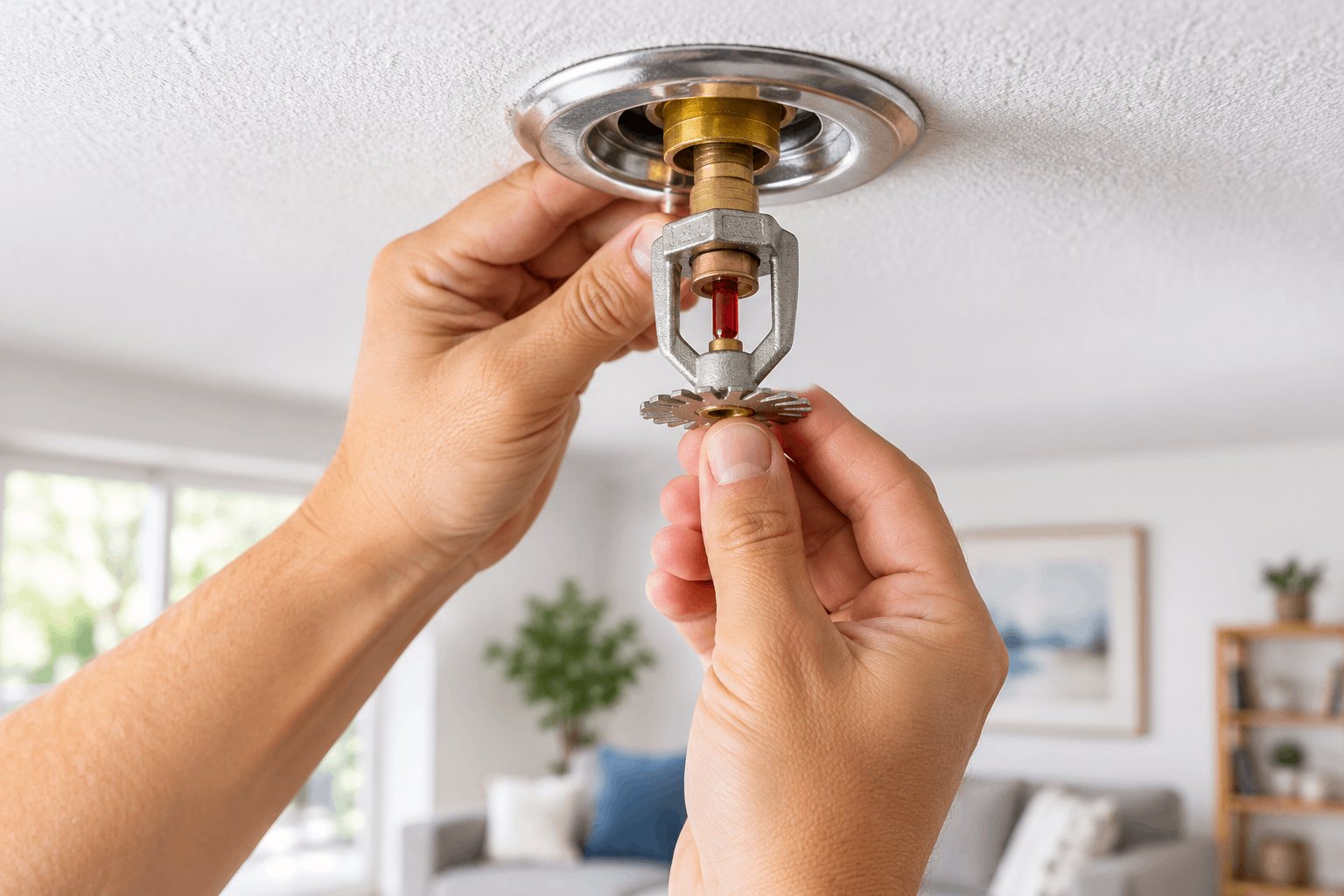
Unlike ordinary plumbing fittings, sprinkler heads contain carefully engineered operating components. These may include a glass bulb or fusible element, a heat-sensitive release mechanism, a deflector, and a frame assembly. Each component plays a role in ensuring that the sprinkler activates under the intended conditions and distributes water in the correct pattern.
Over time, physical damage, corrosion, contamination, or improper modifications can affect these components. A damaged sprinkler head may fail to activate, activate at an incorrect temperature, or distribute water unevenly.
Replacing a defective sprinkler head helps maintain the intended performance of the fire protection system. It also helps prevent small maintenance problems from becoming serious safety concerns.
It is important to understand that replacement decisions should be based on the sprinkler head's condition, applicable standards, manufacturer instructions, and the requirements of the installed system. There is no single replacement interval that applies to every residential sprinkler head.
7 Signs That Residential Fire Sprinkler Heads Should Be Replaced
A sprinkler head does not always show obvious signs of failure. However, several visible conditions indicate that professional assessment or immediate replacement may be necessary.
1. Visible Corrosion or Rust
Corrosion is one of the most important warning signs to look for when inspecting residential fire sprinkler heads.
Sprinkler heads installed in humid bathrooms, coastal properties, laundry rooms, garages, basements, or other damp environments may be exposed to moisture and airborne contaminants. Over time, these conditions can contribute to corrosion on the frame, deflector, or other metal components.
Corrosion may affect the structural integrity of the sprinkler head or interfere with its operating mechanism. In severe cases, it can increase the risk of leakage or prevent the sprinkler from functioning correctly.
Common warning signs include:
-
Rust spots on the sprinkler frame or deflector
-
Discoloration or corrosion around the sprinkler connection
-
Visible deterioration of metal surfaces
-
Mineral deposits or unusual residue
-
Signs of water leakage around the sprinkler head
Surface discoloration does not always mean a sprinkler head has failed. However, visible corrosion should never be ignored. A qualified fire sprinkler professional should assess the condition and determine whether replacement is required.
2. Physical Damage to the Sprinkler Head
Residential fire sprinkler heads can be damaged during everyday household activities, renovations, furniture installation, or accidental impacts.
For example, a ladder, cleaning tool, curtain rod, or piece of furniture may strike an exposed sprinkler head. Even a relatively minor impact can affect components that are designed to operate with precise mechanical tolerances.
Physical damage may include:
-
A bent sprinkler frame
-
A damaged or displaced deflector
-
A cracked or broken glass bulb
-
A loose or distorted component
-
A sprinkler head that appears tilted or out of position
A damaged sprinkler head should not be repaired by bending, straightening, or attempting to reposition its components. These actions can affect its performance and create additional safety risks.
If a sprinkler head has been struck or visibly damaged, contact a qualified professional to assess it. Replacement is generally necessary when a critical component has been compromised.
3. Paint or Other Coatings on the Sprinkler Head
Paint contamination is another common reason for replacing residential fire sprinkler heads.
During home renovation or interior decoration, sprinkler heads may accidentally be covered with wall paint, ceiling paint, spray coatings, or other finishing materials. Even a thin layer can interfere with the operation of a heat-sensitive element or alter the water distribution pattern.
Paint may also prevent moving components from operating freely. For this reason, sprinkler heads should never be painted or coated after installation unless the product is specifically designed and approved for the relevant finish.
If paint is found on a sprinkler head, it should not be removed with solvents, scraping tools, brushes, or other improvised cleaning methods. Attempting to clean the sprinkler may damage sensitive components.
In many cases, a painted sprinkler head must be replaced with a suitable new unit. The replacement should match the system's technical requirements and be installed by a qualified professional.
4. Leakage Around the Sprinkler Head
Water dripping from a sprinkler head or its connection can indicate a problem that requires attention.
Possible causes include:
-
Deteriorated seals or connections
-
Corrosion
-
Mechanical damage
-
Improper installation
-
Excessive pressure or system-related problems
A small leak should not be dismissed as a minor plumbing issue. Water leakage can indicate that the sprinkler head or connected components are no longer in proper condition.
However, not every leak originates from the sprinkler head itself. The cause may be related to the piping, fitting, or another part of the system.
A qualified technician should identify the source of the leakage before deciding whether the sprinkler head needs replacement. If the head is defective, installing a new compatible sprinkler head is generally the appropriate solution.
5. Contamination or Obstruction of Sensitive Components
Dust and airborne contaminants can accumulate on sprinkler heads, especially in rooms with poor ventilation or ongoing construction activity.
In some environments, grease, industrial particles, cleaning chemicals, and other substances may also affect exposed sprinkler components.
Contamination can interfere with the sprinkler's heat-sensitive operating mechanism or affect its ability to distribute water correctly. For example, accumulated material on the deflector may change the intended spray pattern.
Visible contamination should be evaluated by a fire sprinkler professional. If the sprinkler head cannot be restored to an acceptable condition using an approved procedure, replacement may be required.
Homeowners should avoid using household cleaning products or compressed air directly on sprinkler heads. These methods may damage the operating components or move contamination into sensitive areas.
6. Evidence of Leakage, Deformation, or Deterioration After Renovation
Home renovation projects can create unexpected risks for residential fire sprinkler systems.
Ceiling replacement, drywall installation, painting, lighting upgrades, and changes to room layouts may expose sprinkler heads to physical impacts or construction materials.
A sprinkler head may also become unsuitable if the renovation changes the surrounding ceiling arrangement or places new obstructions near the discharge area.
For example, a newly installed ceiling feature, cabinet, light fitting, or decorative structure may interfere with the sprinkler's intended water distribution.
After renovation, the system should be reviewed to confirm that the sprinkler heads remain correctly positioned and unobstructed. If any sprinkler head has been damaged, contaminated, or altered, replacement or other corrective work may be necessary.
7. The Sprinkler Head Has Reached a Required Testing or Replacement Point
Age alone does not mean that every residential fire sprinkler head must be replaced. However, certain sprinkler types may be subject to age-related inspection, testing, or replacement requirements.
These requirements can depend on:
-
The sprinkler head's design and operating mechanism
-
The applicable installation and maintenance standards
-
Manufacturer recommendations
-
The building's fire protection system classification
-
Local fire codes and authority requirements
For example, certain types of sprinklers used in water-based fire protection systems are subject to periodic sample testing or other age-related requirements under applicable standards. These provisions should not be interpreted as a universal replacement deadline for all residential sprinkler heads.
The correct approach is to identify the sprinkler model, manufacturing date, applicable standard, and system type before making an age-related replacement decision.
How Long Do Residential Fire Sprinkler Heads Last?
Many homeowners assume that fire sprinkler heads have a fixed service life, similar to smoke alarms or some household appliances. In reality, the expected service life of residential fire sprinkler heads varies according to product design, operating conditions, installation quality, and maintenance history.
A properly installed sprinkler head in a clean, stable indoor environment may remain in service for many years. However, a sprinkler head exposed to moisture, corrosive substances, high temperatures, or physical damage may require replacement much sooner.
Factors That Affect Sprinkler Head Service Life
1. Environmental conditions
Humidity, salt air, chemical vapors, and temperature fluctuations can accelerate deterioration. Sprinkler heads installed in coastal homes or damp utility areas may require closer attention than those in clean, dry living spaces.
2. Installation quality
Incorrect installation can place stress on the sprinkler head or its connection. Improper positioning, unsuitable fittings, and installation methods that do not follow manufacturer instructions can affect long-term reliability.
3. Product materials and design
Different sprinkler heads use different materials, finishes, and operating mechanisms. Their suitability for a particular environment depends on the manufacturer's specifications and relevant product approvals.
4. Maintenance history
Regular inspection can help identify corrosion, contamination, leakage, and physical damage before these problems become more serious.
5. Renovation and building changes
Construction work can expose sprinkler heads to paint, dust, impacts, or changes in room configuration. These events may create replacement needs even when the sprinkler heads are relatively new.
For these reasons, homeowners should avoid replacing all residential fire sprinkler heads simply because they have reached an assumed age. Equally, they should not continue using a sprinkler head with visible damage just because it has not reached a particular service-life milestone.
Do Residential Fire Sprinkler Heads Have a Mandatory Replacement Schedule?
There is no single replacement schedule that applies to every residential fire sprinkler head.
The relevant requirements depend on the type of sprinkler system and the standards adopted for the building. In the United States, two commonly referenced standards are NFPA 13D and NFPA 25, but they serve different purposes.
NFPA 13D and Residential Fire Sprinkler Systems
NFPA 13D provides installation requirements for automatic sprinkler systems in one- and two-family dwellings and manufactured homes.
It addresses system design, installation, water supply, sprinkler selection, and other requirements intended for residential applications.
For homeowners, an important consideration is the documentation and guidance provided when the system is installed. The installer should explain the system's operation and maintenance needs, including how to identify visible problems and when to contact a qualified service provider.
NFPA 25 and Inspection, Testing, and Maintenance
NFPA 25 covers inspection, testing, and maintenance of water-based fire protection systems within its scope.
It includes provisions addressing sprinkler condition, inspection intervals, testing, and replacement-related requirements for applicable systems.
However, NFPA 13D systems are outside the scope of NFPA 25. Therefore, homeowners should not automatically apply NFPA 25 inspection or replacement intervals to every single-family residential sprinkler system.
The applicable standard, local regulations, and system documentation should be checked before determining whether age-related testing or replacement is required.
A qualified fire protection professional can help identify the correct requirements for a particular property.
What Should You Consider When Choosing Replacement Residential Fire Sprinkler Heads?
Replacing a sprinkler head is not simply a matter of purchasing another product that looks similar. The replacement must be compatible with the existing fire protection system.
Using an unsuitable sprinkler head may affect its activation characteristics, water distribution, and overall system performance.
1. Sprinkler Type and Installation Position
Residential sprinkler heads are available in different configurations, including pendent, concealed, upright, and sidewall designs.
Each type is intended for particular installation conditions.
For example:
-
Pendent sprinkler heads are installed below piping and typically discharge water downward.
-
Concealed sprinkler heads are designed to blend into finished ceilings using an approved cover plate assembly.
-
Upright sprinkler heads are installed with the deflector positioned above the sprinkler body.
-
Sidewall sprinkler heads are designed for installation along walls and distribute water across a defined coverage area.
The replacement must be suitable for the original installation arrangement. A visually similar model may have different operating characteristics or installation requirements.
2. Temperature Rating
The temperature rating indicates the temperature at which the sprinkler's heat-sensitive element is designed to operate.
Selecting the correct rating is important because the surrounding environment affects the expected temperature conditions.
A sprinkler head installed near a heat source may require a different temperature classification from one installed in a typical bedroom or living room. However, the selection must follow the system design and manufacturer specifications rather than assumptions based only on room type.
When replacing residential fire sprinkler heads, confirm that the new product has the required temperature rating.
3. Response Characteristics
Sprinkler heads are designed with different response characteristics. Residential sprinkler systems commonly use products specifically designed for residential fire protection applications.
The response classification and product listing must match the original system design.
A standard-response sprinkler should not be substituted for a residential sprinkler simply because its connection size appears compatible. The replacement must meet the applicable system requirements.
4. K-Factor and Water Distribution
The K-factor describes the relationship between water flow and pressure through a sprinkler head.
It is an important specification because the sprinkler head must deliver the required water flow under the system's designed operating conditions.
Using a replacement sprinkler with an incorrect K-factor may affect water distribution and system performance.
The original sprinkler specifications and system documentation should be checked before selecting a replacement.
Conclusion
Replacing residential fire sprinkler heads at the right time is essential to maintaining the reliability of a home fire protection system. Visible corrosion, physical damage, paint contamination, leakage, and changes in product condition should all be taken seriously. At the same time, replacement decisions should be based on the sprinkler's specifications, applicable standards, and professional assessment rather than an assumed service-life limit.
For contractors, distributors, and fire protection system buyers, selecting the right replacement product is just as important as identifying when replacement is needed. The sprinkler head must match the system's design in terms of installation type, temperature rating, response characteristics, K-factor, and certification requirements. Yuanqing focuses on fire sprinkler products designed to meet different application requirements, providing buyers with an additional option when sourcing residential fire sprinkler heads for fire protection projects.
www.yuanqingxiaofang.com
yuanqingxiaofang